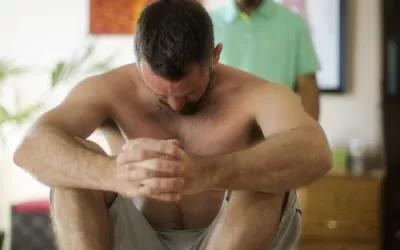

Clients tell me versions of this all the time: “I can’t do a regime of stretching and PT. It gets boring, it’s a lot, it’s not fun doing things alone, and I can’t even remember all of the PT stuff.” If that sounds like you, I get it. Research shows that as many as half to two‑thirds of people do not fully stick with their home exercise programs. Life is busy, pain is complicated, and long lists of exercises rarely fit smoothly into an already full day. And the biggest wonder is, How do I know if what I’m doing is working?
Maybe you started rehab strong after an injury or surgery, but a few weeks in, you found yourself skipping days, then weeks, and then feeling guilty even with the pain, but you know how important it is to do that initial rehab. I get it. As a therapist people come in all the time saying, “I really didn’t rehab well after that injury/surgery.” For many people it can feel like they’re constantly “failing” rehab, even though they’re doing their best to juggle work, family, and everything else.
Why Stretching and PT Homework Feels So Hard
There are real reasons these programs feel like too much. Many people are sent home with eight, ten, or even twelve exercises, complete with specific repetitions and bands or balls they struggle to remember how to use. That’s a lot of information to hold in your head, especially when you are also navigating pain, stress, and fatigue.
On top of that, the routines themselves are often repetitive and done alone in a quiet room, which can quickly feel boring or even lonely. When you do not clearly understand why a particular movement matters, or how it connects to your pain, and especially if that pain isn’t changing much, it makes sense that giving up is an easier and easier option. Of course you want to get back to life, especially if you were previously active and have life goals—like hiking without pain, playing with your kids, or getting through a workday without feeling worse than when you woke up—it’s easy for those exercises to slip to the bottom of your priority list when they aren’t showing improvement. Over time, the disconnect between what you are doing and what you want from your body makes it harder and harder to show up for the homework.
The Missing Piece: Connection, Not Just Compliance
Most traditional rehab focuses on “compliance”: did you do the exercises, yes or no. At MedicinEvolution, I am more interested in something deeper: your connection to your body and that you are becoming more and more aware of your process of change. Pain is not just a mechanical problem to fix; it is a message from your system asking for a new relationship with how you move, rest, and pay attention. This means that most of the time progress isn’t going to be linear. But when you’re clear about your movement patterns and what you’re actually trying to change, how your exercises help create that adaption, but how your reptilian brain keeps trying to draw you back down into the dark hole, then you get the process and the more you understand about your subconscious reflexes it’s easier to move forward.
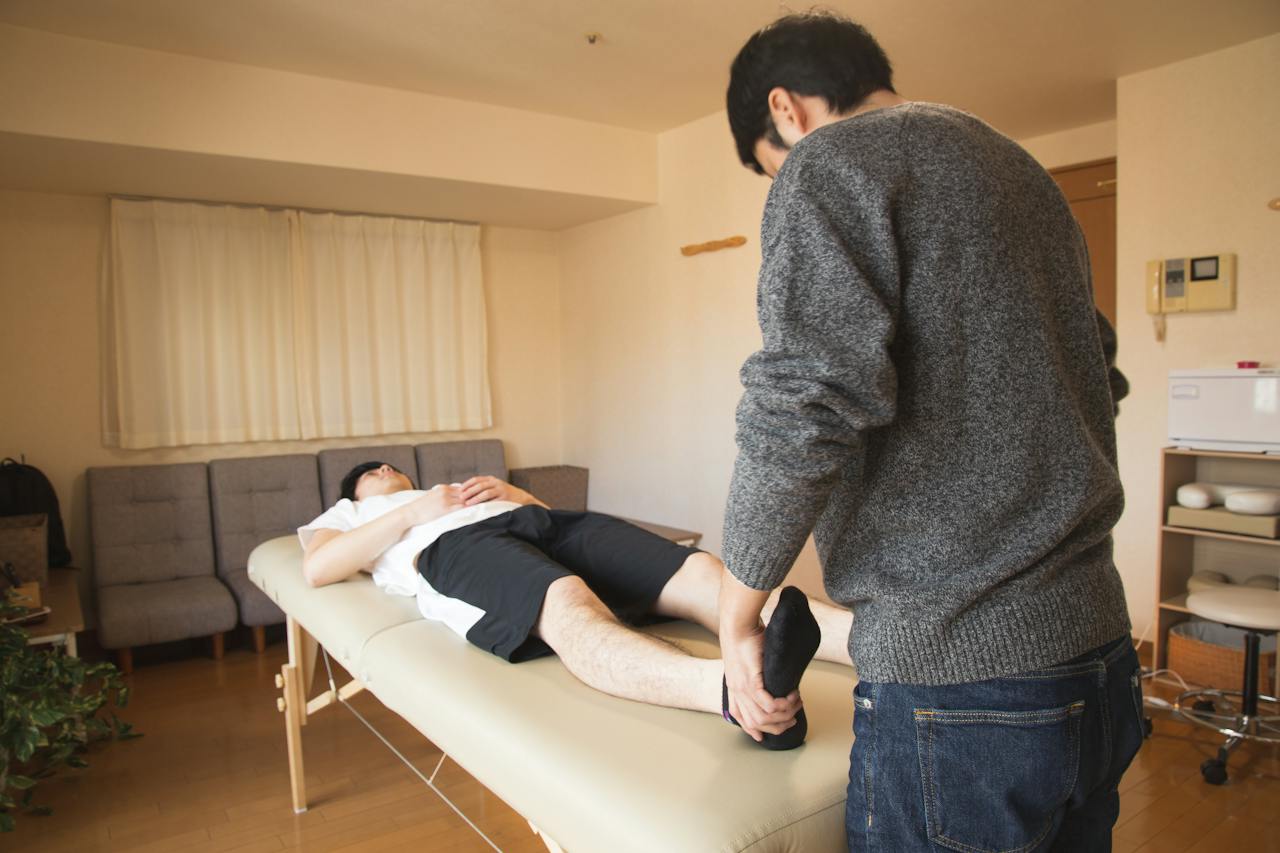
Instead of handing you a long, generic list of drills, I start by listening to your story, your patterns, what you understand about pain, your fears, and your goals. That’s when hands‑on Structural Integration work, nervous system techniques, and movement are each used to help you feel and understand what’s happening in your body in real time. When you can sense the difference between an old pattern and a new way of moving, the work stops being boring “homework” and becomes a thing you explore and have the ability to shift.
From “I Can’t Do This Alone” to Guided Transformation
So what happens when people who are tired of PT routines find their way to MedicinEvolution? Typically, they are burned out from trying everything and still not getting lasting change. They are not lazy; they are exhausted from chasing short‑term fixes and never being taught how all the pieces fit together.
Here is how we approach it differently:
- We simplify instead of overwhelm
Rather than ten exercises you cannot remember, we might start with one or two key patterns to work on that have a big impact on your pain. Those become things that you can actually fit into your day. They directly address your pattern on some real level whether it is physical, cognitive, emotional, or a combination. - We make the work directly related to your pattern so that it’s something you can understand, that is directly meaningful to your experience and not just a thing that everyone with your symptoms needs to do or some abstract practice.
- The hands‑on work and guided movement helps you feel shifts in movement, posture, breath, and novel change to your pain in the moment. Your nervous system learns by experiences of both input from hands-on work and output from you challenging your old set of patterns, not by memorizing instructions and repping out sets.
- We look at our work together as a collaboration. You’re not a patient to “fix.”
You bring your history, your experiences, your awareness and lack of it, your hurdles and your goals; I bring specialized knowledge and a structured process. What we’re aiming for is to design changes you can own, instead of a plan you feel you’re constantly falling behind on. - We see pain as information and language that your body uses to communicate with you. Pain isn’t the enemy, but it becomes a guide that shows where tension, old trauma, body language, and unhelpful patterns are hiding. When you understand what your pain is saying, you’re no longer stuck in fear or confusion; you are in a position of choice.
Over and over, I see that when clients feel supported, understanding of their symptoms, and actively involved, then the need for long, boring PT regimes drops away. They still move and practice, but now there is meaning behind every step and people who haven’t moved for years get back into their favorite activities again, but this time under guided supervision of a practitioner filtering your experiences through neuroscience.
When You Are Ready for a Different Kind of Help
If you have caught yourself saying, “I can’t keep up with stretching and PT; it’s too much and I’m tired of doing it alone,” you are the kind of person I was built to serve. You do not need more discipline; you need a process that sees your history and who you are and honors how your body and brain really change.
At the San Ramon office, we blend Structural Integration, nervous‑system‑based bodywork, and counter pattern movement to help you move out of chronic pain and into a more controlled, connected, and capable body. Sessions are not about forcing your body into compliance; they are about discovering a new way of being in your body that makes sense, feels good, and actually fits into your life. When you have that, “homework” isn’t something you do, but it becomes part of the processes of life like when you sit down, get up, pump gas, shop for items at the store. If this resonates, your next step is simple: click here and schedule a free 15-min phone call.