

I used to look at pain as my enemy—like it was something to fight through, medicate against, cut out, or fix. But my perspective changed when I made myself the experiment. As a practitioner I wasn’t understanding the science intellectually so I had to see if I could figure it out experientially, but when I look back this subjective type of testing didn’t start when I was an adult. Conventional medicine wasn’t working for me.
I tried everything. Since I was a kid, I’d seen healers of all kinds. I competed internationally, collected injuries and symptoms lingered, and as an adult I lived with chronic pain that just wouldn’t let up. Nothing really stuck until structural integration—and later, neuroscience—forced me to see pain in a completely different way.
One day my kid dropped a light plastic measuring cup on my foot. The pain was soooo excruciating. I almost got mad at my son when I realized, “Wait, he’s just a kid,” and you’re in a situation where you get to experiment with pain that just hit. My reptilian brain that initially kicked in was being tamed as my rational brain kicked in and I realized that, “The pain was way out of proportion to what actually happened.” I looked down: no blood, no broken bone, nothing serious. That’s when neuroscience clicked. My nervous system was doing its job, but it was overreacting, overprotecting, not accurately showing me what was happening in my body. It felt like something was cut or broken—but it wasn’t. My system was simply on high alert.
In that moment I had to reframe everything. Pain wasn’t a villain. It was a signal, shaped by stress, old injuries, memories, cultural beliefs about pain, and the specific context of the moment – it was unexpected. When I stopped seeing pain—my own and my clients’—as the thing to get rid of, and started welcoming it as information, I could finally help it change. That’s when my results with clients really began to shift.
The work I do now—structural integration with a strong neuroscience bent—isn’t just massage, and it isn’t PT or chiropractic. It draws from those worlds, but it’s more comprehensive and more personal. I work with people’s bodies and their nervous systems but more than that, I work with who they are and the story their body has been carrying through habits and patterns, and that has been the real difference because our stories are often where the real “why” behind chronic pain lives.
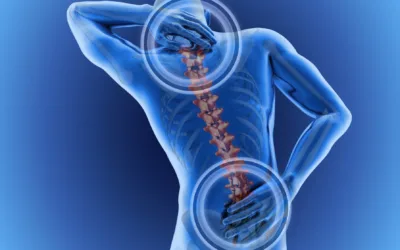
Neuroscientists tell us that pain is the brain’s interpretation of what’s going on in the body—especially when it’s chronic. That interpretation is influenced by history, beliefs, stress, and meaning. If you’ve tried everything, your scans are “fine,” you’ve had only temporary relief, or no one has given you a satisfying explanation for why you still hurt, then the missing piece is often this: you haven’t yet connected pain to your personal, contextual reality in a realistic way that actually changes it.
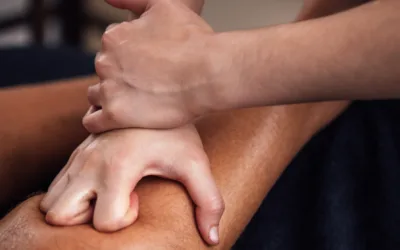
When I work with clients, our most important work is not to chase symptoms, but to understand patterns. As a practitioner what that really means is that I help clients build somatic sovereignty—the ability to understand, feel, and influence what’s happening in their bodies. I use hands-on work as input for neural education and change, movement imbalances are corrected with strong guided tissue holds, and we create homework to address tension patterns or micro-habits that are an overlooked part of the story. The goal is not dependence on the mystery of therapy; the goal is connection, clarity, and lasting change.
If that resonates—if you’re ready for something more comprehensive and more honest to your situation—go to medicinevolution.com, click any of the scheduling links, and book a 15‑minute phone conversation with me. We’ll talk about what’s going on, explore whether we’re a good fit, and map out possible next steps together.