
I’m not going to sugarcoat it: the way we treat back pain in America (and globally) isn’t always aligned with the science. It’s not about perfection, but a serious update is overdue. Think of the Flexner Report in 1910 – we need a similar wake-up call today.
Do a quick search for “WHO low back pain globally our medical systems can’t handle updated information.” You’ll see what I mean. The current approach is, frankly, unethical.
But here’s my real problem: systems that take away your self-agency. They offer external “fixes,” implying you should “do less” and let them handle it. I disagree. I believe in self-sovereignty when it comes to low back pain. That means access to credible science and skilled practitioners to guide you.
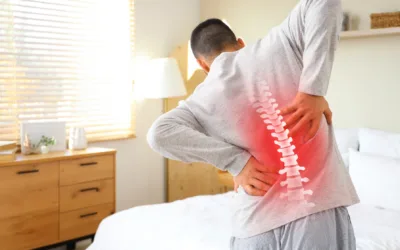
If you’ve had back pain (and 95% of us will), it doesn’t mean you’re broken. It means you’re human. You have a body. And there’s understanding you can use, things you can do, and a connection you can practice – just like eating or getting into nature.
Here’s a story: I have a friend who performs back surgeries (makes good money, too). We were talking with another friend who said, “Hey, I have back issues. Maybe I need surgery?” My friend’s advice? “If you need back surgery, my recommendation is: don’t.”
Throughout my work, I’ll share updated information and stories from my 28 years in practice. My goal? To help you gain sovereignty over your body, maybe for the first time.
Why does your bodily sovereignty matter so much to me? (You might think you already have it, but the system we live in often takes it away and uses you – it’s the real matrix.) That’s what I hope to illustrate, but it’ll take time.
Here’s what came up on a quick search:
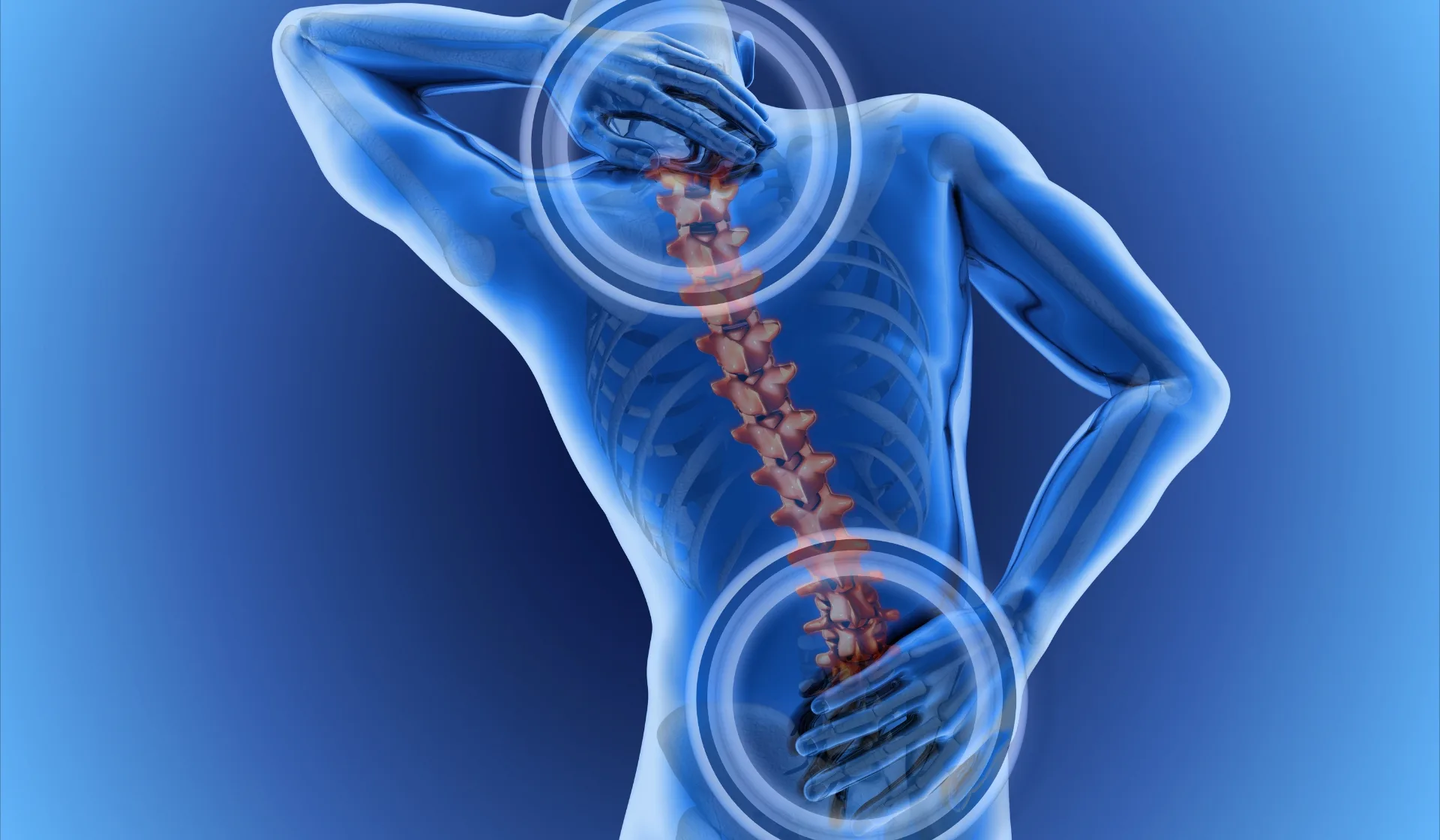
The Scale of the Problem
- Prevalence: 619 million people in 2020, a 60% increase from 1990
- Future Projections: Expected to reach 843 million by 2050
- Impact: Leading cause of disability, reducing work, social, and family participation, and impacting mental health.
- Disproportionate Burden: Affects females more, especially older adults, and hits socioeconomically disadvantaged groups hardest.
Why Systems Can’t Cope
- Misaligned Incentives: Financial systems often favor lucrative but less effective medical interventions (drugs, injections, surgery) over self=management and physical/psychological therapies.
- Outdated Practices: Deep=Rooted beliefs and traditions maintain reliance on ineffective treatments.
- System Fragmentation: LBP management is often separate from general health, wasting resources.
- Resource Strain: Growing populations and aging in low/middle-income countries exacerbate the burden on under-resourced systems
WHO’s Approach and Solutions
- New Guidelines (2023): Focus on non-surgical management of chronic LBP, emphasising:
- Rehabilitation: Essential for all stages to aid recovery.
- Primary Care Integration: Incorporating LBP management into basic health services.
- Recommended Treatments: Exercise. Physical therapy, self-management, psychological therapies.
- Discouraged Treatments: Routine pain meds, steroid injections, surgery (unless specific conditions exist).
- Recommended Treatments: Exercise, physical therapy, self-management, psychological therapies.
- Discouraged Treatments: Routine pain meds, steroid injections, surgery (unless specific conditions exist).
- System-Wide Change Needed: Policies must shift resources, integrate care, and change societal beliefs, involving workplaces, legal frameworks, and personal attitudes.
The Bottom Line: LBP is a global epidemic straining health systems, requiring major shifts from purely medical, high-cost interventions to integrated, evidence-based, people-centered care, especially focusing on self-management and rehabilitation.