Massage and Bodywork: Put Things In Their Proper Place.

Written by chris on March 1, 2012 – 7:18 pm - No Comments

Modern medicine is a business and that’s fine, but patients have suffered. Principle has been abandoned for principal.

What I want to see.
I want to see a better triage process for people seeking health care needs. I want to see an enlightenment and better understanding of alternative and complimentary therapies including diet/nutrition, exercise, etc. I want to see more accurate referrals. Better communication between practitioners and more accessible patient notes and history of treatments and medicines used in order to narrow the chances of prescribing mistakes. A more holistic consideration and application of the causes and root sources of disease. An integrated mind-body approach. Healthier practitioners. A slower pace of patient intake and historical inquiry. Openness to the possibility of how healing may occur. I want the erasure of viewing disease as something to combat and disassociate from to accepting it as a reality and using it as a catalyst to move forward in various human aspects. I want to see people grow and become empowered by their experience of illness, trauma, etc.

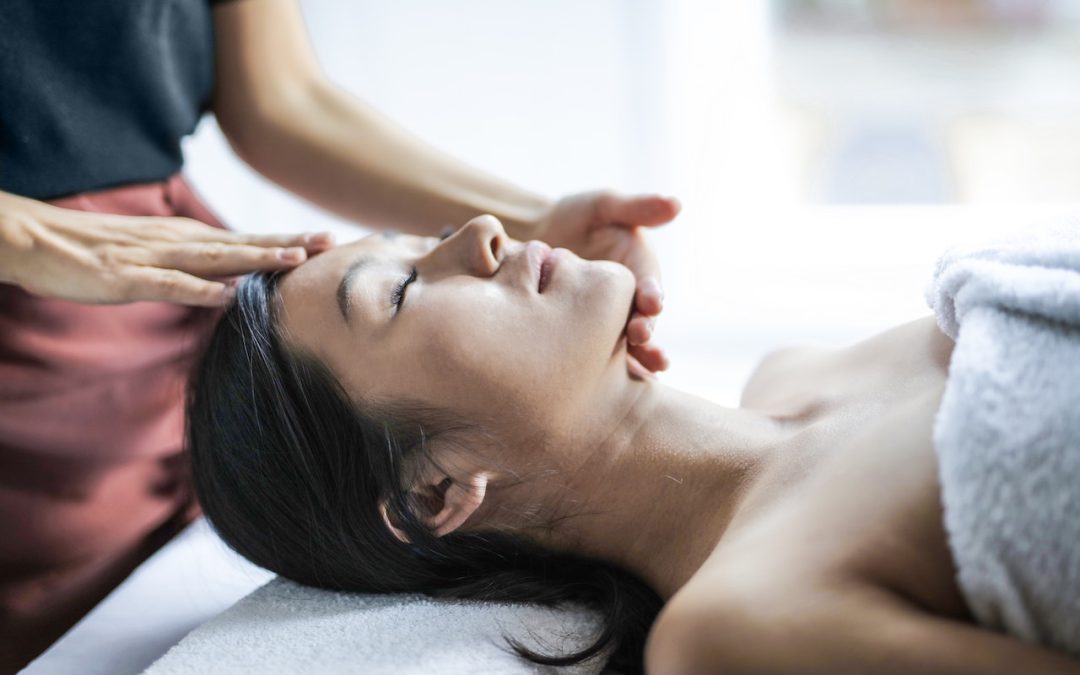
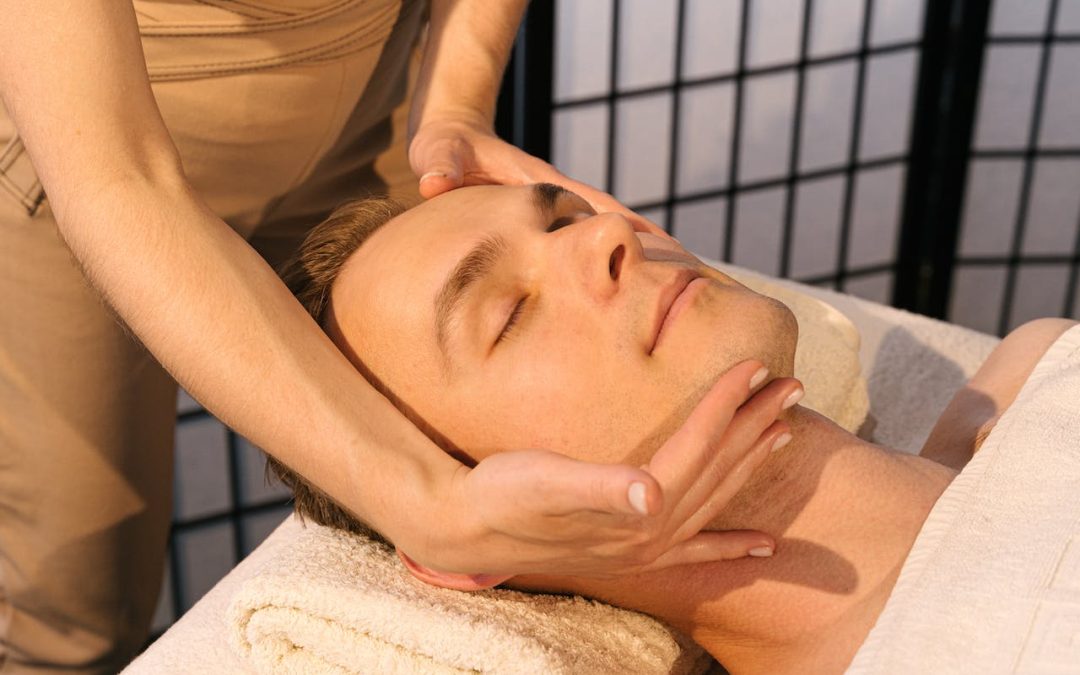
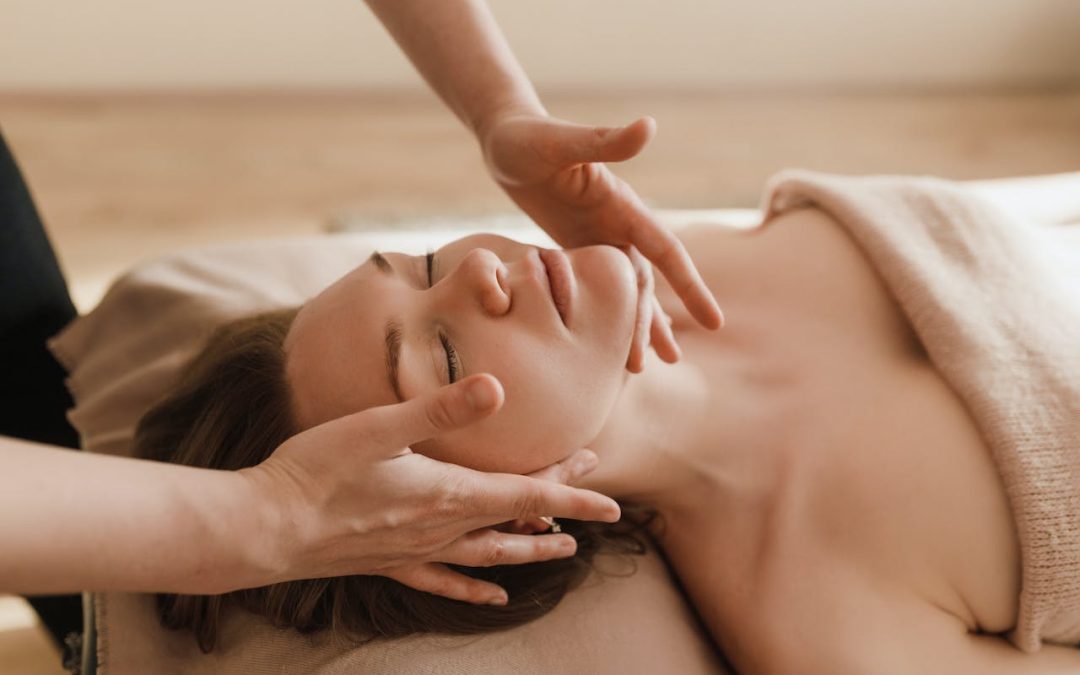
The following is a compilation of data gathered by the American Massage Therapy Association® (AMTA®) from U.S. government statistics, surveys of consumers and massage therapists and recent clinical studies on the efficacy of massage.

Who Gets Massage, Where and Why?

According to the 2010 AMTA consumer survey, an average of 18 percent of adult Americans received at least one massage between July 2009 and July 2010, and an average of 28 percent of adult Americans received a massage in the previous five years.6
In July 2010, 25 percent of women and 10 percent of men reported having a massage in the past twelve months.4
Spas are where most people continue to receive massage, with 24 percent of those surveyed in July 2009 saying they had their last massage at a spa.4

While the use of massage decreased in 2010, people still recognize it as an important element in overall health and wellness. 4

Twenty-nine (29) percent of adult Americans who had a massage between July 2009 and July 2010 received it for medical or health reasons.
Of those that have ever had a massage, fifty-four (54) percent say they’ve used massage therapy at least one time for pain relief.
Of the people who had at least one massage in the last five years, 31 percent reported they did so for health conditions such as pain management, injury rehabilitation, migraine control, or overall wellness.
Eighty-six (86) percent agree that massage can be effective in reducing pain.
Eighty-five (85) percent agree that massage can be beneficial to health and wellness.

Consumers are increasingly seeking massage for stress reduction and relaxation.

In July 2010, 40 percent of adult Americans said they had at least one massage in the last five years to reduce stress or relax—up from 22 percent reported in 2007.

Massage and Healthcare
Healthcare providers promoted the benefits of massage to their patients slightly less in 2010.

In July 2010, over thirty-nine million American adults (16 percent) had discussed massage therapy with their doctors or health care providers, compared to 18 percent in 2009.4
Of those 16 percent, 31 percent of their health care providers strongly recommended massage therapy, compared to 35 percent in 2009. While physicians led the way in recommending massage (50 percent vs. 55 percent in 2009), chiropractors (35 percent vs. 48 percent in 2009) and physical therapists (42 percent vs. 40 percent in 2008) also recommended massage therapy when their patients discussed it with them.4
Nearly three quarters of massage therapists (73 percent) indicate they receive referrals from health care professionals, averaging 1.5 referrals per month.

Massage therapists and consumers favor integration of massage into healthcare.

More than half of adult Americans (58 percent) would like to see their insurance cover massage therapy.4
The vast majority of massage therapists (96 percent) believe massage therapy should be considered part of the health care field.5

Massage Therapy Research

The therapeutic benefits of massage continue to be researched and studied. Recent research has shown the effectiveness of massage for the following conditions:

Cancer-related fatigue.11
Low back pain.12
Osteoarthritis of the knee.13
Reducing post-operative pain.14
Boosting the body’s immune system functioning.15
Decreasing the symptoms of carpal tunnel syndrome.16
Lowering blood pressure.17
Reducing headache frequency.18
Easing alcohol withdrawal symptoms.19
Decreasing pain in cancer patients.20

The American Massage Therapy Association® (AMTA®) is the largest non-profit, professional association serving more than 56,000 massage therapists, massage students and massage schools. The association is directed by volunteer leadership and fosters ongoing, direct member-involvement through its 51 chapters. AMTA works to advance the profession through ethics and standards, the promotion of fair and consistent licensing of massage therapists in all states, and public education on the benefits of massage.

“Talk with your provider about alternatives to opioid painkillers.”

Written by chris on February 27, 2012 – 12:04 am - No Comments

CDC director: We can reduce prescription drug overdoses
Thirty years ago, I attended medical school in New York. In the key lecture on pain management, the professor told us confidently that patients who received prescription narcotics for pain would not become addicted.

While pain management remains an essential patient right, a generation of health care professionals, patients, and families have learned the hard way how deeply misguided that assertion was. Narcotics – both illegal and legal – are dangerous drugs that can destroy lives and communities.

Millions of Americans struggle with substance abuse. Across the United States, overdoses involving opioid painkillers – a class of drugs with narcotic effects that includes hydrocodone, methadone, oxycodone – have skyrocketed in the past decade.

Today, the United States consumes most of the world’s supply of opioid painkillers. By 2010, enough opioid painkillers were prescribed to medicate every American adult around-the-clock for a month. And every year, nearly 15,000 people die from overdoses involving these drugs… more than from heroin and cocaine combined.

Studies by scientists at the Centers for Disease Control and Prevention and elsewhere show that most of these deaths are not the result of people taking small doses of opioids for a short time. Typically, problems arise when people take large amounts of painkillers or use them over a long period of time.

About 1 in 20 people in the United States age 12 or older reported using opioid painkillers for non-medical purposes in 2010. Some of these people engage in doctor shopping – getting prescriptions for commonly abused drugs from several practitioners in a short time and having the prescriptions filled at several pharmacies. In this way, people can obtain dangerous amounts of a prescription drug rapidly.

And in addition to the heavy toll this can take on lives and communities, non-medical use of prescription painkillers costs health insurers up to $72.5 billion annually in direct health care costs.

We can do more as a society to help prevent overdoses involving prescription painkillers while making sure patients who need them have access to safe, effective treatment.

Health care providers should prescribe opioid painkillers only under specific conditions, as in the treatment of chronic cancer pain when other treatments have not worked, and in limited quantities.

Providers can also screen patients for risk and history of substance abuse before prescribing opioid painkillers. Drug addiction is a disease of the brain that can be treated.

But health care providers aren’t the whole answer. Insurers and health care institutions must set up systems to identify and take action when providers or patients are using prescription drugs in dangerous ways. Some states have passed laws to rein in rogue pain clinics (“pill mills”) run solely for profit, that attract drug shoppers from other states.

Individuals can help protect themselves and others by doing the following:

– Talk with your provider about alternatives to opioid painkillers.
– Use opioid painkillers only as directed by a health care provider.
– Make sure you are the only one to use your painkillers. Not selling or sharing them with others helps prevent misuse and abuse.
– Store opioid painkillers in a secure place and dispose of them properly.

View this articles comments:

http://thechart.blogs.cnn.com/2012/02/24/cdc-director-we-are-not-powerless-against-prescription-drug-overdoses/?hpt=he_c2


Bodywork Aids Muscle Recovery

Written by chris on February 1, 2012 – 10:45 pm - No Comments

Massage may release anti-inflammatories and improve muscle cell ability in producing mitochondria, the part of the cell which converts food into energy. Bodywork can have profound effects on people of all ages and energies.

http://www.cbc.ca/news/health/story/2012/02/01/massage-muscle-repair.html


Chronic Disease and Rigorous Exercise

Written by chris on January 26, 2012 – 4:51 pm - No Comments

Always on the edge and daring to overcome odds I went outside the asthma box and joined the wrestling team in high school. We ran, did constant motion drills, and wrestled every practice, there was no time for rest. Not to say that this is for everyone, but many people are overcoming their indoctrinated limitations and replacing them with sometimes something very dramatic, challenging and life changing on many levels.

To encourage overcoming “the box” MedicinEvolution sponsors the Tri-Valley Triathlon Club. Here’s the link: http://trivalleytriclub.com/sponsors

Relieving Neck Pain

Written by chris on January 24, 2012 – 6:32 pm - No Comments

Come out of habit patterns that contribute to pain with exercises that cause length, connection, and re-integration.

Copyright 2008 - 2011 © MedicinEvolution – Bodywork Beyond Massage. All rights reserved.
6400 Village Pkwy # 109 Dublin, CA 94568-3007. Phone: 925.922.2246
Web Design & Development by : E2W