Reimagine Life Pain-Free
San Ramon’s Top Massage Therapist
3 Easy Steps To Be Pain-Free
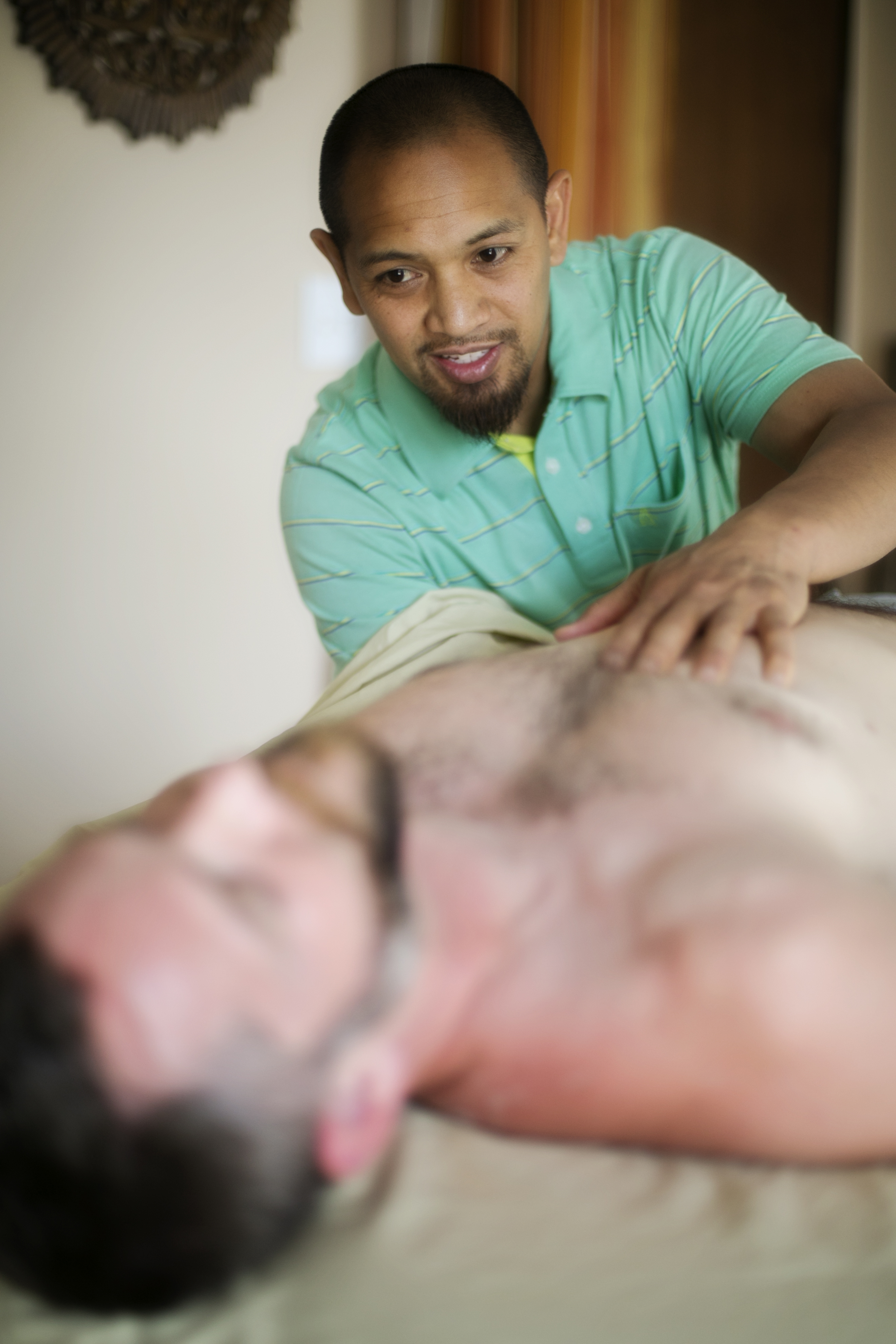
1. Schedule A Free 15 min Phone Consultation
Click the link and schedule a time that works well for you. You'll tell me what’s going on, I’ll describe how things at MedicinEvolution work, and with that we’ll get a better sense of whether or not I think I can help. If I’m confident I can help you we’ll book an in-person 1 hour Movement Assessment and Strategy Session.
2. Book A Movement Assessment And Strategy Session
In the assessment we’ll piece together your relevant health history, active and passive assessment results, and make sense of why you’re experiencing symptoms. You’ll get a holistic and realistic understanding of your problems and some takeaways to begin to transform your issues.
Choose A Program
Presuming that we’re a good fit I’ll give my recommendation for the program that I believe will help you get to the root of your problems, reconnect you to your body, and live pain-free!
Ready to get out of pain
and feel great again?
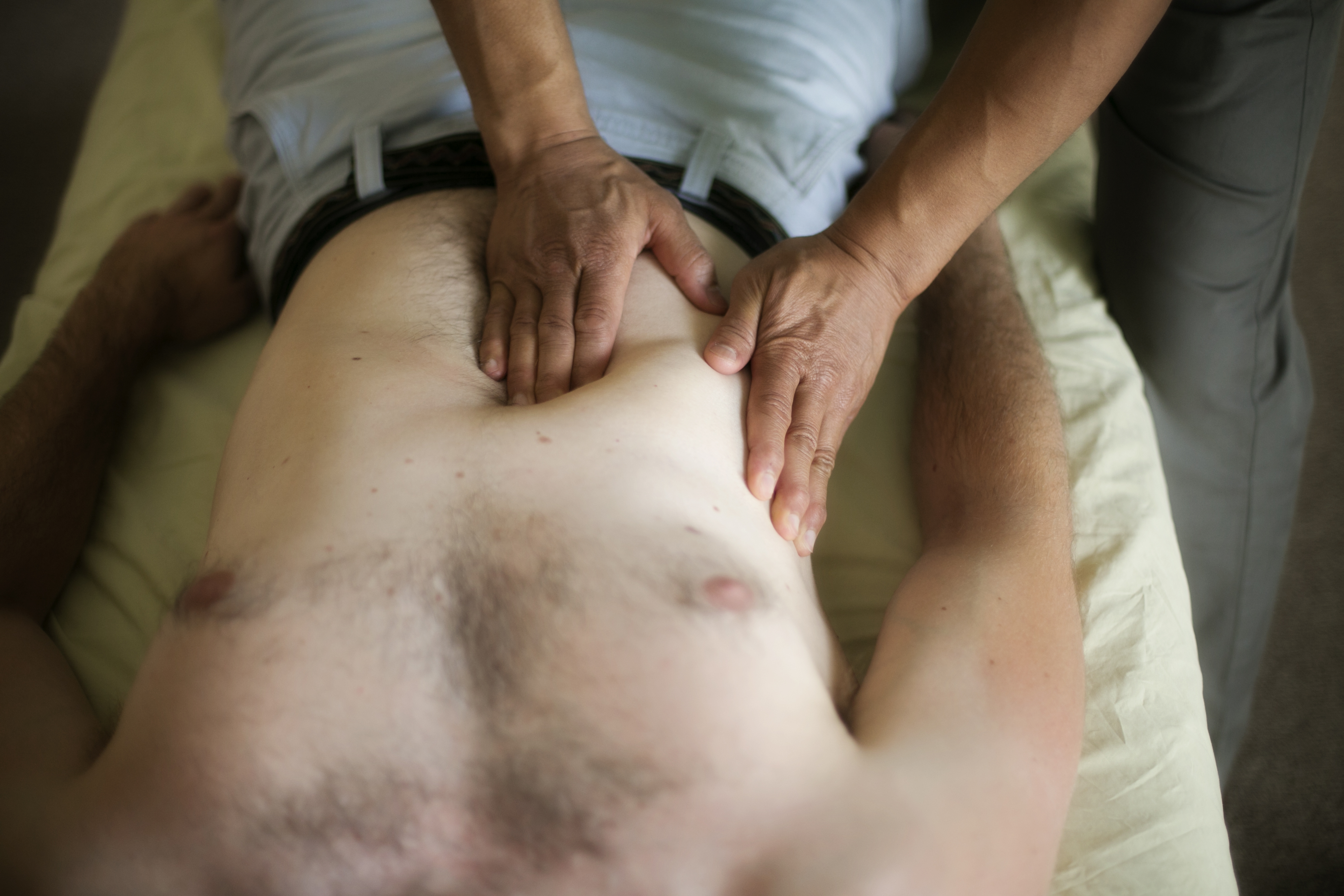
Hands-on Therapy
Get out of pain quickly with hands on therapy.
New Neural Pathways
Learn why slow change get fast results that last and quick fixes don’t.
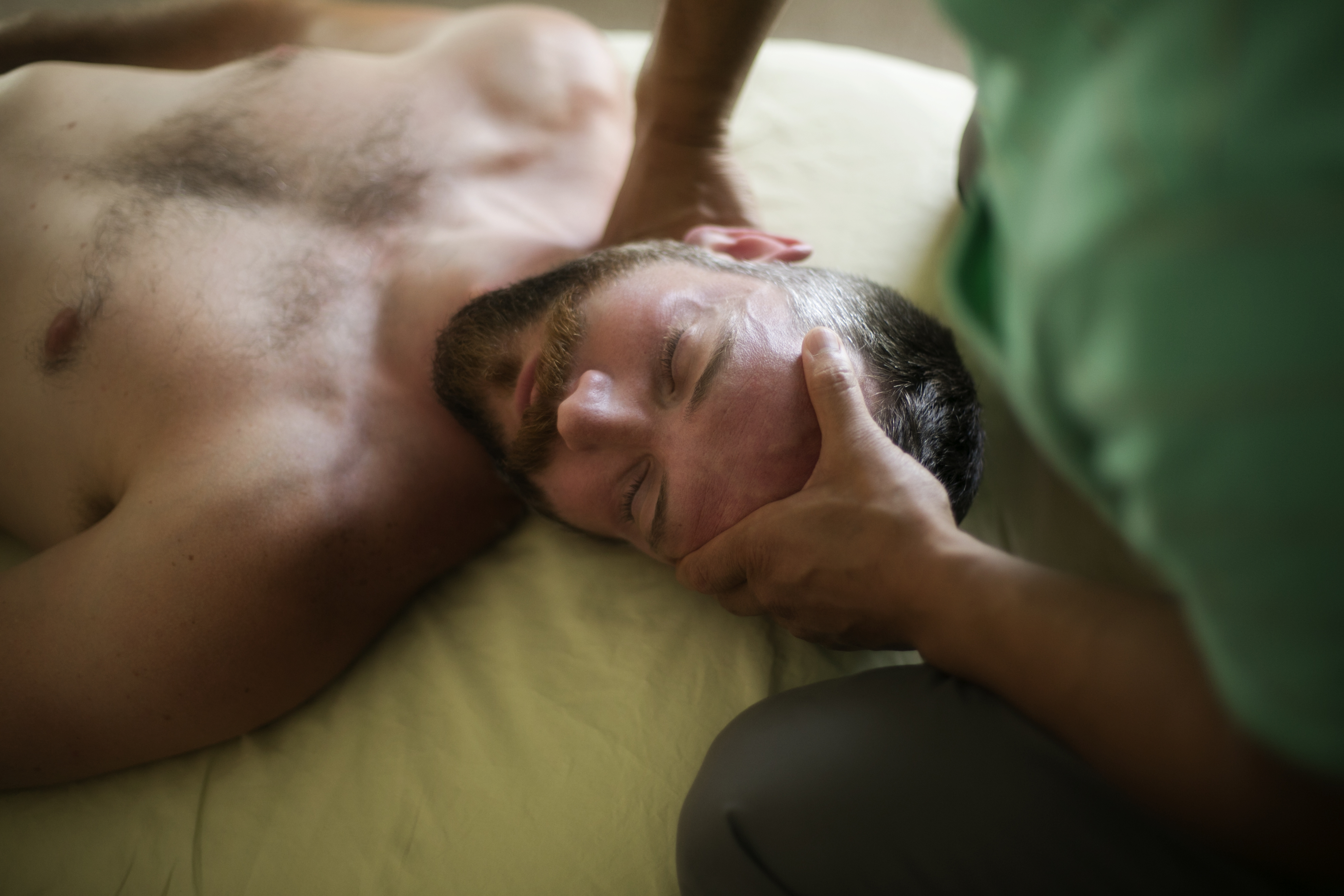
Repatterning Movement
Movement is medicine. Learn the best movements for your body type.
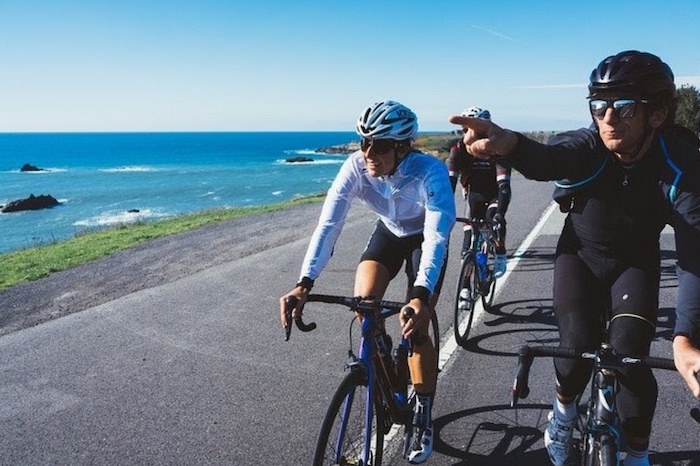
“I had seen countless doctors and specialists who all looked at my MRI and simply couldn’t consider any other option other than sciatic pain due to nerve compression. There seemed to be only one possibility – surgery.
That route turned into a near death experience when my back surgery got infected. It was a horrible experience because on top of that many symptoms still remained after I recovered.
Skeptically, I sought out Chris who showed me something different. The pain was NOT originating from my compressed disc; but from my leg that was in pain!
My biomechanics were off.
When I fixed that my power numbers on the bike jumped 10-20%, as I began to utilize my entire while riding. It was a great revelation, and one that allowed me to supercharge my bike performance.
I completed the Mt. Diablo Challenge in under an hour and I was able to cut an entire year off of training to complete my goal by my 39th birthday!”
Jeff S. Avid Cyclist
“I love to ride my horses, but ongoing issues with my lower back, hips and legs from the 3-hour daily commute to Silicon Valley, long hours at my desk and meetings for my job made it difficult. Chris helped me understand how to have better balance throughout my entire body to avoid long-term problems.”
Sonja Cuffe
Livermore, California
_______________
“After 20 years of back pain, I thought I had tried everything, including surgery, and nothing had worked long term until I met Chris! I learned a lot about my body (and it’s connection to my brain).
I’m now running regularly again, back in strength training class, and hiking every weekend, working my way up to a steep 14-mile hike that I completed PAIN FREE.“
Vicki Lombardo
Pleasanton, California
_______________
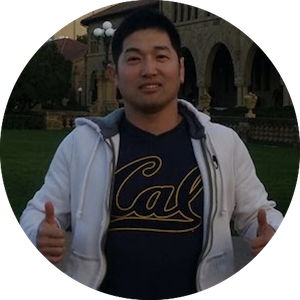
“BJJ had instilled upon me a set of movement patterns that led to wear and tear. I had to correct them in order to fix myself. My basic movement patterns were affecting daily life and Brazilian Jiu-jitsu. Through the program I was able to train bjj again. It’s had profound effects on my training. I’m glad I can continue training even though I am getting older with more wear and tear.”
Tony Sun
San Ramon, California
_______________
Location
Address
MedicinEvolution – Bodywork Beyond Massage
4 Crow Canyon Ct, Suite 150
San Ramon, CA 94583
Office: (925) 922-2246
Hours of Operation
Sunday Closed
Monday 9:00 am–5:00 pm
Tuesday 9:00 am–5:00 pm
Wednesday 9:00 am–5:00 pm
Thursday 9:00 am–5:00 pm
Friday 9:00 am–5:00 pm
Saturday Closed
Articles About San Ramon, California
- More Places Around Dublin, California
- Dublin California Landmarks
- All About The Schools in Dublin, California + Top Schools in Dublin, California
- Top Parks in Pleasanton, California
- All About Pleasanton, California
- Top 10 Best Massage Therapists in Dublin, California
- Top 10 Best ROLFING Practitioners in SF Bay Area for 2020
- Top 10 Jiu Jitsu Academies Near Dublin, California
- How to Select a School for Your Child in San Ramon? + Elementary Schools in San Ramon, California
- 5 Lies You’ve Been Told About Rolfing & Other Rolfing Questions
- Massage Therapist Near Me Crow Canyon Road in San Ramon, California
- Best Places to Visit in Blackhawk Community in California 94506 – Sports Massage Therapist Near Me
- Pros and Cons of the Active Release Technique (ART) and Other Rolfing Questions
- Fun Attractions to Enjoy in The Community of Blackhawk, California 94506 – Sports Massage Therapist Near Me
- The Best Advice You Can Hear About Sports Massage For Sciatica & Other Common Questions
- Amazing Points of Interest in Alamo in Contra Costa County, California – Sports Massage Therapist Near Me
- Top Sights to See in Town of Danville, California – Massage Therapist Near Me
- Top Sites To See In The City of Dublin, California 94568 – Massage Therapist Near Me
- Must-See Places of Interest in the Alamo Oaks Neighborhood of Alamo, California – Massage Therapist Near Me
- Fun Things to See and Do in the City of San Ramon, California – Massage Therapist Near Me
- Visitor’s Guide To The Rossmoor Community In Walnut Creek, California
- What’s The Best Sports Massage Near Danville, California?
- What’s The Best Sports Massage In San Ramon, California?
- What’s The Best Sports Massage Near Dublin, California?
- What’s the Best ROLF Massage in San Ramon, California?
- What’s The Best Massage Therapist In San Ramon, California?
- What’s The Best Sports Massage Near Pleasanton, California?
- What’s the Best Full Body Sports Massage Clinic in San Ramon, California?
- What’s The Best Full Body Sports Massage Near Danville, California?
- What’s the Best Structural Integration Massage in San Ramon, California?
- What’s the Best Trigger Point Therapy Expert near Danville, California?
- What’s The Best Bodytalk Therapy Expert Near Pleasanton, California?
- What’s The Best Tui Na Massage Near Pleasanton, California?
Specialty Articles of Interest
- Find us on the Web
- MedicinEvolution Bodywork Beyond Massage Citations
- Types of Massage
- In the Press
- Top 10 Best Massage Therapists in Dublin, California
- Press Release – MedicinEvolution’s Offers Unique Program to Listen to Your Body and Reduce Pain
- Press Release – Beyond Ergonomics Sports Massage Services in Dublin, CA From MedicinEvolution Bodywork Beyond Massage
- Ergonomics and Other Questions
- Rolfing and Other Questions
- 5 Common Running Injuries That Can Be Treated With Sports Massage and Other Questions
- 5 Reasons Why Jiu-jitsu Players Need Regular Sports Massage
- 5 Key Differences Between Massage & Bodywork and Other Questions
- 5 Secrets You Didn’t Know About Sports Massage & Other Tips
- 3 Pros of Sports Massage For Sciatica & Other Sports Massage for Sciatica Questions
- 5 Secrets You Didn’t Know About Acupressure & Other Structural Integration Questions
- The Beginner’s Guide To Structural Integration & Other Structural Integration Questions
- What Is Ergonomics And Why Is It Important and Other Structural Integration Questions
- How Does A Postural Specialist Help and Other Structural Integration Questions
- The 5 Key Benefits of Massage For Sciatica Pain Relief and Other Structural Integration Questions
- 7 Quick Tips About Restless Leg Syndrome in 2022 & Other Restless Leg Syndrome Questions
- Top Reasons to Visit the Diablo Area in Contra Costa County, California – Massage Therapist Near Me
- Will Taking Medicine Before a Massage Help with Soreness? and Other Common Questions
- Is Proper Body Alignment Really a Thing and Other Structural Integration Questions
- Can Knots In Muscles Be a Sign of Serious Health Issues and Other Structural Integration Questions
- The 7 Key Benefits of Full Body Massage & Other Full Body Massage Questions
- 101 Facts About Sports Massage in 2023
- The Benefits of Full Body Sports Massage for Active Lifestyles
- Maximizing the Benefits of Massage While Minimizing the Side Effects
- The Benefits of Massage for Lower Back Pain: What You Need to Know and Other Structural Integration Questions
- Unlocking The Power Of Fitness Massage: Elevate Your Workout Recovery To New Heights
- Unlocking The Power Of Healing: Discover The Process Of Neuromuscular Massage & Other Neuromuscular Massage Related Articles!
- Unlocking the Secrets: The Science of Massage Explained & Other Interesting Articles
- Why Structural Imbalances Shouldn’t Be Ignored & Other Interesting Articles
- Pain-Free Living: How Trigger Point Therapy Can Change Your Life & Other Interesting Articles!
- 10 Mind-Blowing Benefits of Bodytalk Therapy You Didn’t Know & Other Interesting Articles!
- 10 Incredible Benefits of Bodywork Massage for Swimmers in Danville & Other Interesting Articles!
- The Athlete’s Guide To Recovery: Therapeutic Massage For Sports Injuries & Other Amazing Articles!
- How Functional Movement Therapy Enhances Athletic Performance and Recovery & Other Interesting Articles
- 10 Revolutionary Ways Neuroscience is Tackling Chronic Pain & Other Interesting Articles!
- 5 Reasons Why Tui Na Massage Is A Must-Try Therapy & Other Amazing Articles!
- How Tui Na Techniques Revolutionize Healing & Other Interesting Articles
- 5 Massage Techniques For Reducing Muscle Soreness In Athletes & Other Interesting Articles!
- The Role Of Homeopathy In Holistic Pain Management Strategies & Other Helpful Articles!
- The Athlete’s Guide to Rolfing: What You Need to Know Before Your First Session & Other Interesting Articles!
- 5 Reasons to Consider Rolfing for Your Scoliosis Treatment Plan & Other Interesting Articles!
- The Science of Rolfing: Understanding Its Impact on TMJ Disorders & Other Interesting Articles!
About MedicinEvolution Bodywork Beyond Massage
We are the top Massage therapist in San Ramon, California. We proudly offer:
-
Rolfing massage aimed at improving body alignment and functioning.
-
San Ramon’s highly reviewed and relaxing massage techniques providing the best experience possible.
-
Relaxing massage therapy certified in Japanese Shiatsu.
-
Massage therapy to encourage a healthy life and treat patients from neck, back, shoulder or knee pain.
-
Painless treatments and custom routine for each patient.
-
Top therapist using gentle methods to relieve stress and pain.
-
Experts in the gentle Swedish techniques that encourages whole body relaxation.
-
You will have a feeling of whole body bliss that everyone envies.
About Our City
About MedicinEvolution – Bodywork Beyond Massage & San Ramon, California
MedicinEvolution-Bodywork Beyond Massage is centrally located in the heart of San Ramon, California, nearby, the important landmarks of Forest Home Farms Historic Park and Blackhawk Museum.
San Ramon was once home to the Seunen Indians. In 1864 an important stage line traversed through this valley on its way to Oakland. This gave farmers a quick route via train for transporting their crops and improving the local economy in turn; but it wasn’t until 1983 that citizens decided to incorporate as a city. The original inhabitants were called The Seunen Indians who resided here before 1850 when Americans established settlements nearby which then led them naming several canyons, hills & streets after these early settlers. San Ramon lies north of Interstate 580, where it intersects Interstate 680. It sits about 16 miles east of Altamont. San Ramon is also roughly 24 miles from Oakland and 34 miles from San Jose. San Ramon offers the perfect combination of a high quality of life and job opportunities. Money Magazine ranks San Ramon No. 21 in the nation for its manicured neighborhoods, abundance parks, and great schools as well as low unemployment rate at 3 percent making it an ideal place to live or work!
Since San Ramon is seated at the intersection of two of the most important interstate highways in the Bay Area, I-680 and I-580, San Ramon is connected to major cities such as Walnut Creek, Hayward, San Leandro, Milpitas, Berkeley and more. San Ramon also is home to one of the many San Ramon Transit Center which makes San Ramon accessible to cities all over the Bay Area from Antioch, Richmond, Daly City and all the way from Fremont.
This makes MedicinEvolution-Bodywork Beyond Massage (based in San Ramon, CA) a centrally located solution for Massage therapy within the San Ramon Valley, including the communities surrounding Union City, San Mateo, Dublin, Pleasant Hill, and Livermore, California.
Directions
Directions
- Click here for driving directions from your location.
- Directions From Oakland International Airport to MedicinEvolution 4 Crow Canyon Ct, Suite 150,
- San Ramon, CA 94583: Take I-880 South, I-238 South, I-580 East and Crow Canyon Road to Old Crow Canyon Road in San Ramon for 25 minutes. Continue on Old Crow Canyon Road to your destination for 2 minutes.
- Directions From San Francisco International Airport to MedicinEvolution 4 Crow Canyon Ct, Suite 150, San Ramon, CA 94583: Take US-101 South, CA-92 East, I-880 North and I-238 South to Grove Way in Castro Valley. Take exit 37 from I-580 East for 28 minutes. Follow Crow Canyon Road to your destination in San Ramon for 15 minutes.